What is a Semiconductor? Why Silicon Rules the World
A semiconductor is a material that can conduct electricity under certain conditions, but not others — making it the perfect «switch» for modern electronics. Unlike metals (which always conduct) or insulators (which never conduct), semiconductors sit in the middle. By carefully controlling how electricity flows through them, we can build transistors, diodes, solar cells, and microchips — the building blocks of every computer, smartphone, and digital device. This article explains what semiconductors are, how they work, and why silicon became the undisputed king of the industry.
Conductors, Insulators, and the Material in Between
To understand semiconductors, we first need to understand the two extremes:
- Conductors (like copper, aluminum, gold) have many free electrons. They conduct electricity easily. They have low resistance.
- Insulators (like rubber, glass, dry wood) have almost no free electrons. They block electricity. They have very high resistance.
- Semiconductors (like silicon, germanium, gallium arsenide) are in between. Their conductivity can be controlled and modified — which is what makes them so valuable.
Pure silicon is a poor conductor. But by adding tiny amounts of other elements (a process called doping), we can dramatically change its electrical properties.
The Silicon Crystal: The Foundation of Modern Electronics
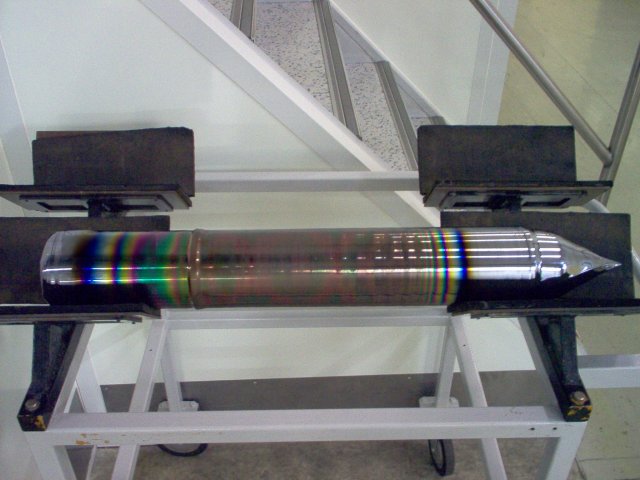
Silicon is the second most abundant element on Earth's crust (after oxygen). In its pure form, it forms a crystalline structure where each silicon atom is bonded to four neighbors in a diamond-like lattice. This structure is what gives silicon its semiconductor properties.
Doping: The Secret Ingredient
Pure silicon has very few free electrons — it's almost an insulator. But when we add tiny amounts of specific impurities, we create two types of semiconductor materials:
- N-Type Silicon: Doped with atoms that have one extra electron (like phosphorus, arsenic, antimony). This creates an excess of negatively charged free electrons. The material now has extra charge carriers.
- P-Type Silicon: Doped with atoms that have one fewer electron (like boron, gallium, indium). This creates «holes» — empty spaces where electrons are missing. These holes act like positively charged carriers.
The magic happens when you put N-type and P-type silicon together. At the junction between them, a PN-junction is formed — the basis of every diode, transistor, and solar cell.
How a PN-Junction Works: The Diode
A diode is the simplest semiconductor device. It's just a PN-junction with two terminals. It allows current to flow in one direction but blocks it in the other.
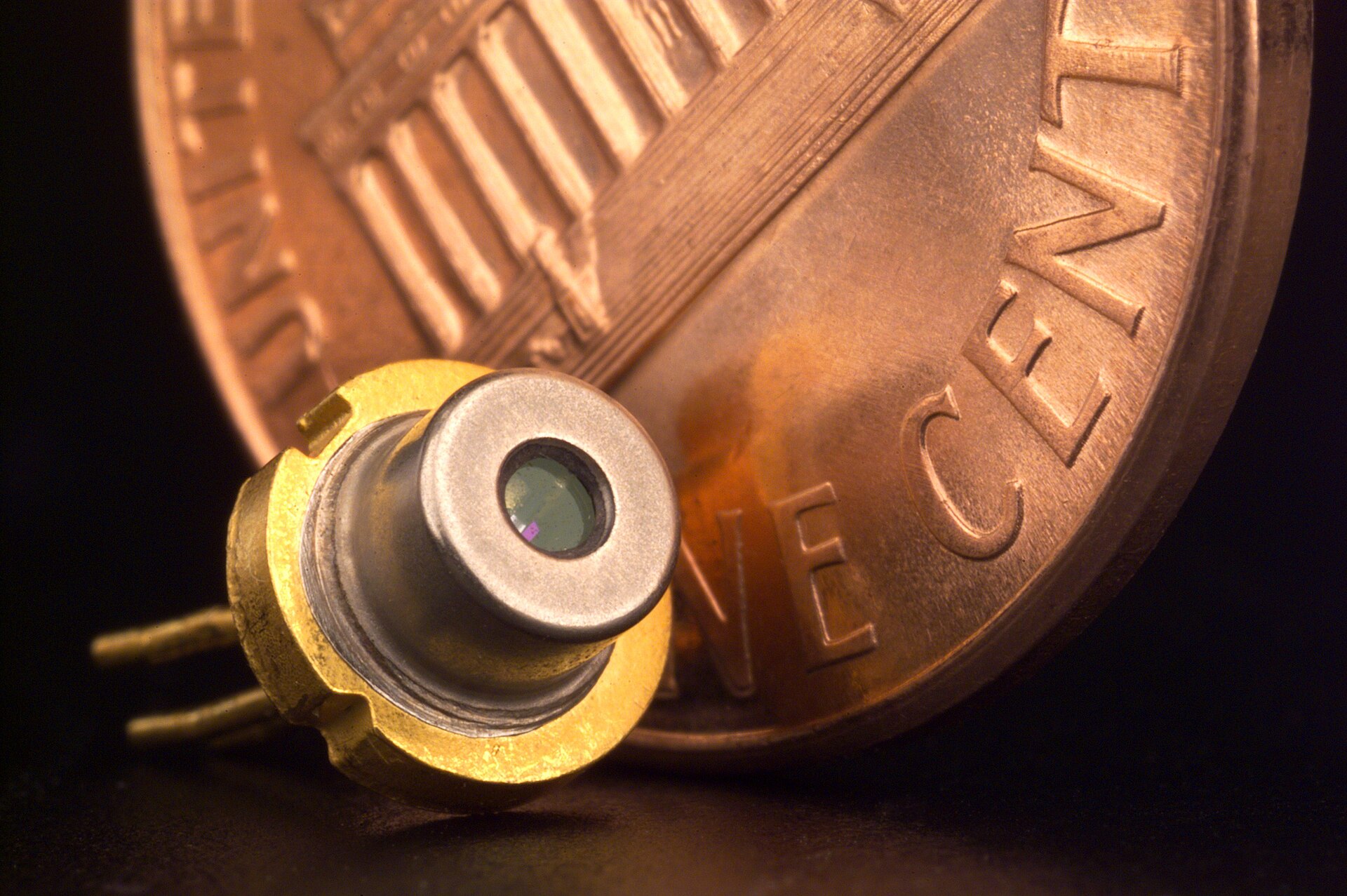
- Forward bias: When voltage is applied in the right direction, electrons flow from N to P and holes flow from P to N. Current flows easily.
- Reverse bias: When voltage is applied in the opposite direction, the junction acts as a barrier. No current flows.
This one-way behavior makes diodes essential for converting AC to DC (rectification) and protecting circuits from reverse polarity.
From Diode to Transistor: The Switch That Built the Digital World
If a diode is a one-way valve, a transistor is a controllable valve. It's a semiconductor device with three layers (usually P-N-P or N-P-N). A small current or voltage at one terminal (the base or gate) controls a much larger current flowing between the other two terminals.
This is the fundamental concept behind every computer chip. Transistors act as switches (ON or OFF — representing 1s and 0s in binary logic) or amplifiers (boosting weak signals).
Why Silicon Rules the World
There are other semiconductors (germanium, gallium arsenide, silicon carbide), but silicon is the undisputed champion. Here's why:
| Property | Why Silicon Wins |
|---|---|
| Abundance | Silicon is the second most abundant element on Earth. It's cheap and everywhere. |
| Natural Oxide | Silicon naturally forms a perfect insulating oxide layer (SiO₂) when exposed to oxygen. This is crucial for manufacturing MOSFETs (the transistors in modern chips). |
| Temperature Stability | Silicon works well at a wide range of temperatures (up to ~150°C). Germanium, the early competitor, loses conductivity at lower temperatures. |
| Manufacturing Maturity | Decades of investment and research have made silicon processing incredibly efficient and precise. We can now produce wafers with features smaller than 5 nanometers. |
| Cost-Effectiveness | Silicon is cheap to extract, purify, and process. This makes it economically viable for mass production. |
Applications of Semiconductors: Where They're Used
Semiconductors are everywhere. Here are just a few examples:
- Transistors — the switches in every microchip, processor, and memory chip.
- Diodes — for rectification, signal demodulation, and protection.
- Solar Cells — PN-junctions that convert light into electricity.
- LEDs (Light-Emitting Diodes) — efficient light sources found in displays, indicators, and lighting.
- Laser Diodes — used in barcode scanners, fiber-optic communications, and laser pointers.
- Photodiodes — detect light and are used in cameras, optical sensors, and remote controls.
- Power Electronics — regulate and convert electrical power in everything from phone chargers to electric cars.
Frequently Asked Questions (FAQ)
What is the difference between a semiconductor and a conductor?
A conductor (like copper) has many free electrons and conducts electricity easily. A semiconductor (like silicon) has far fewer free electrons — but its conductivity can be increased by doping, temperature, or light.
Why is silicon used instead of germanium?
Germanium was the first semiconductor material used, but silicon won for several reasons: it's more abundant, forms a better natural oxide (essential for transistor fabrication), is more stable at higher temperatures, and is cheaper to process at scale.
What is doping?
Doping is the deliberate addition of small amounts of specific impurities to a semiconductor to change its electrical properties. Adding atoms with extra electrons creates N-type silicon; adding atoms with fewer electrons creates P-type silicon. This is the key step that makes semiconductor devices possible.
Can semiconductors conduct like metals?
Not in the same way. Conductors like copper have a vast sea of free electrons and conduct strongly under any conditions. Semiconductors only conduct under specific conditions: when doped, exposed to light, or at higher temperatures. This «on/off» behavior is exactly what makes them useful as switches.
How small are modern transistors?
As of 2024, cutting-edge chips (like Apple's M-series and Intel's Core Ultra) have transistors with features as small as 3 nanometers (nm). For comparison, a human DNA helix is about 2.5 nm wide. Billions of these fit on a chip the size of a fingernail.
(Conclusion)
Semiconductors are the hidden foundation of the digital age. From the silicon crystal in your computer's processor to the LED in your phone's screen, these materials have transformed the world. By controlling the flow of electrons with incredible precision, they enable everything from simple diodes to the most advanced artificial intelligence. Understanding semiconductors is understanding the «brain» of modern electronics — and why silicon, the humble element from sand, became the most important material of the 21st century.