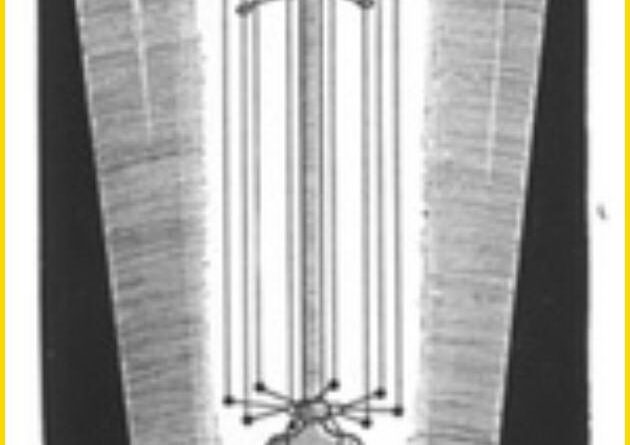
How Does a Light Bulb Work? Incandescent, LED, and CFL Explained
A light bulb works by converting electrical energy into visible light (and a lot of heat) through various physical processes, depending on its type. The most common technologies are incandescence (glowing from heat), fluorescence (exciting a gas), and electroluminescence (direct conversion in a semiconductor). While Thomas Edison’s name is synonymous with the light bulb, the modern device is a story of evolving efficiency, moving from a simple glowing wire to sophisticated electronic components. This article will illuminate the inner workings of the three main types of bulbs: incandescent, compact fluorescent (CFL), and light-emitting diode (LED).
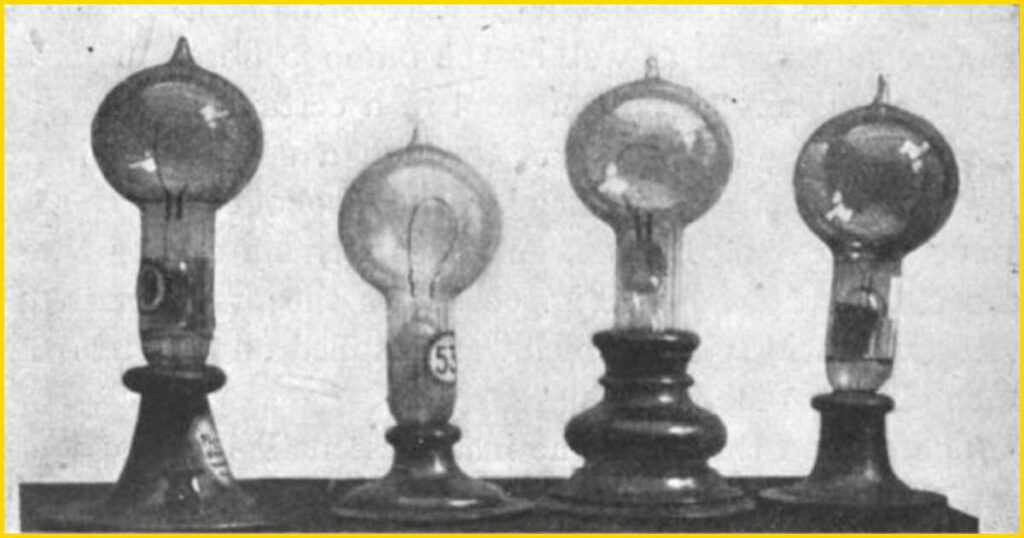
The Core Principle: Turning Electricity into Light
Electricity is the flow of electrons. When these electrons encounter resistance or are forced to change their energy state within certain materials, they release energy. That energy can take the form of heat and/or light. The key difference between bulb types lies in how efficiently they convert electrical energy into visible light versus wasted heat.
1. The Classic: How an Incandescent Bulb Works
This is the technology Edison perfected. It’s beautifully simple but highly inefficient.
Key Components:
- Glass Bulb: Sealed, airless enclosure (often filled with inert argon gas to prevent filament oxidation).
- Filament: A thin, coiled wire made of tungsten (high melting point: 3422°C).
- Support Wires & Stem: Hold the filament in place.
- Base (Screw/Cap): Provides electrical contact and mechanical support.
The Process (Incandescence):
- Current Flow: When you flip the switch, electrical current flows into the bulb through the base.
- Resistance & Heating: The current encounters the thin tungsten filament. Tungsten has high electrical resistance, which strongly opposes the flow of electrons. This collision of electrons with the atoms of the filament converts electrical energy into thermal energy (heat).
- Glowing: The filament heats up to an extreme temperature—around 2,500°C (4,500°F). At this white-hot heat, the filament begins to glow, emitting visible light. This phenomenon is called incandescence.
- The Inefficiency: About 90-95% of the energy used by an incandescent bulb is wasted as infrared radiation (heat), not visible light. This is why these bulbs get so hot to the touch.
Why it burns out: Over time, the intense heat causes tungsten atoms to evaporate from the filament, thinning it. Eventually, it becomes weak and breaks, «burning out» the bulb. The darkening on the inside of an old bulb is evaporated tungsten deposited on the glass.
2. The Twist: How a Compact Fluorescent Lamp (CFL) Works
CFLs are the coiled successors to long fluorescent tubes. They are far more efficient than incandescent bulbs.
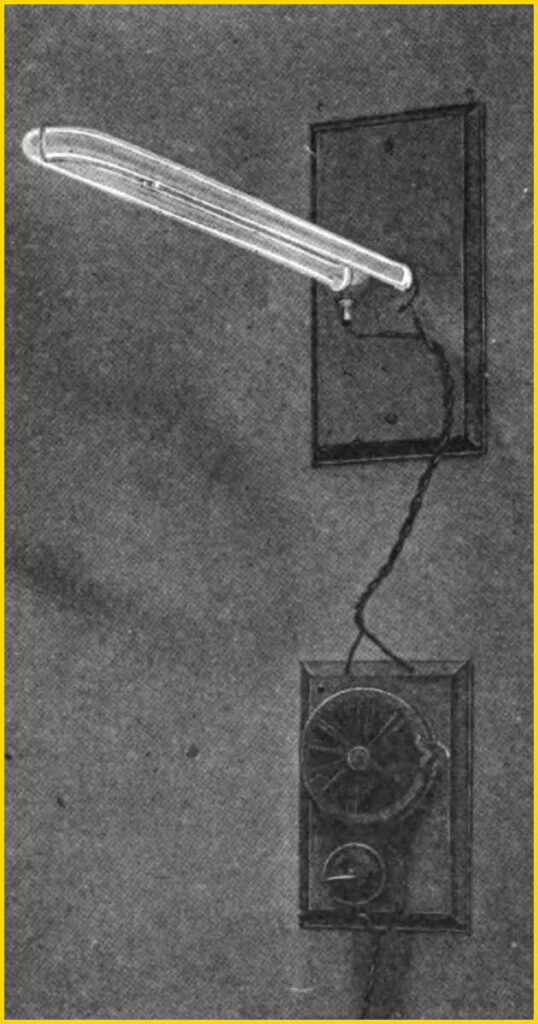
Credit: Public domain image via Wikimedia Commons.
Key Components:
- Glass Tube (coiled): Coated on the inside with a phosphor powder. Contains a small amount of mercury vapor and inert argon gas.
- Electrodes: At each end of the tube.
- Electronic Ballast (in the base): A small circuit that regulates current and provides the high voltage needed to start.
The Process (Fluorescence):
- Starting the Arc: When turned on, the ballast sends a high-voltage pulse through the tube, which «strikes» an electric arc between the two electrodes.
- Exciting the Gas: Free electrons from the arc collide with mercury vapor atoms, exciting their electrons to a higher energy state.
- Ultraviolet Emission: When these excited electrons fall back to their normal state, they release energy in the form of invisible ultraviolet (UV) light.
- Creating Visible Light: The UV light strikes the phosphor coating on the inside of the glass tube. The phosphors fluoresce—they absorb the high-energy UV photons and re-emit the energy as lower-energy visible light.
- The Efficiency: This two-step process wastes much less energy as heat. CFLs are about 70-80% more efficient than incandescent bulbs, converting more electricity into light.
3. The Modern Champion: How an LED Bulb Works
Light-Emitting Diodes (LEDs) represent the pinnacle of lighting efficiency and longevity, based on solid-state physics.
Key Components:
- Semiconductor Chip (Die): The heart of the LED, made from layers of materials like gallium nitride (GaN).
- Anode & Cathode: Electrical contacts attached to the semiconductor.
- Heat Sink: Crucial component to draw heat away from the chip (LEDs are sensitive to heat).
- Driver (in the base): A small electronic circuit that converts AC household current to the low-voltage DC current the LED needs.
- Phosphor Coating (on some LEDs): Used to convert the chip’s native blue light to warm white light.
The Process (Electroluminescence):
- The p-n Junction: The LED chip contains a specially engineered region called a p-n junction, where a positively charged (p-type) semiconductor meets a negatively charged (n-type) semiconductor.
- Current Flow & Recombination: When DC current is applied, electrons from the n-side are pushed across the junction into the p-side, where they «fall into» holes (absence of electrons). This process is called recombination.
- Photon Emission: As an electron recombines with a hole, it drops from a higher energy state to a lower one, releasing its excess energy in the form of a photon—a particle of light. This direct conversion of electrical energy into light is called electroluminescence.
- Color & White Light: The color of the light is determined by the energy band gap of the semiconductor material. Blue LEDs are common. To create white light, a blue LED is coated with a yellow phosphor. The mix of blue and yellow light appears white to our eyes.
- The Ultimate Efficiency: LEDs are up to 90% more efficient than incandescent bulbs. They produce very little heat (most heat comes from the driver, not the light-emitting process), and their solid-state construction makes them extremely durable and long-lasting (often 25,000+ hours).
Comparison Table: How the Three Bulbs Stack Up
Light Bulb Technology Comparison: Incandescent vs. CFL vs. LED
| Feature | Incandescent | Compact Fluorescent (CFL) | Light-Emitting Diode (LED) |
|---|---|---|---|
| Working Principle | Incandescence (Heat → Light) |
Fluorescence (UV → Phosphor → Light) |
Electroluminescence (Recombination in Semiconductor) |
| Efficiency (Lumens/Watt) | Very Low (~10-15 lm/W) |
Medium (~50-70 lm/W) |
Very High (~80-120+ lm/W) |
| Average Lifespan | Short (~1,000 hours) |
Medium (~8,000 hours) |
Very Long (~25,000-50,000 hours) |
| Heat Output | Very High (~90% waste heat) |
Medium | Very Low |
| Turn-on Time | Instant | Slow (seconds to minutes to full brightness) |
Instant |
| Environmental Note | High energy consumption | Contains trace mercury (requires safe disposal) |
Most energy efficient (no mercury content) |
Table 1: Technical and environmental comparison of the three main household lighting technologies.
Frequently Asked Questions (FAQ)
Why are LEDs more expensive to buy but cheaper to run?
The initial cost covers the complex semiconductor chip, heat sink, and driver electronics. However, their extreme efficiency and long lifespan mean you save significantly on electricity bills and replacement costs over many years, making them the most economical choice long-term.
Why did old incandescent bulbs get banned in many places?
They were phased out (not fully «banned» for all types) due to their extremely poor energy efficiency. The goal was to reduce overall electricity consumption and carbon emissions by pushing consumers toward more efficient technologies like CFLs and LEDs, which use a fraction of the energy for the same light output.
What is a «watt» and a «lumen»?
This is key to understanding modern bulbs. Watt (W) is a measure of power consumption (how much electricity the bulb uses). Lumen (lm) is a measure of light output (how bright it is). With efficient bulbs, you want more lumens per watt. For example, a 60W incandescent bulb gives about 800 lumens. An equivalent LED bulb gives the same 800 lumens but uses only about 9-10 watts.
Can LED bulbs work with dimmer switches?
Yes, but you must buy «dimmable» LEDs and ensure your dimmer switch is compatible with LED technology. Old dimmers designed for incandescent bulbs can cause LEDs to flicker or hum. Modern LED-compatible dimmers work flawlessly.
(Conclusion)
From the warm, inefficient glow of Edison’s incandescent filament to the twisted tubes of CFLs and the revolutionary solid-state magic of LEDs, the humble light bulb’s evolution is a brilliant case study in technological progress. The core quest has always been the same: to turn electrons into photons more efficiently. Today, LED technology, with its direct electroluminescent conversion in a semiconductor chip, has won that race, offering unprecedented efficiency, longevity, and control. Understanding how these bulbs work not only illuminates the science behind a daily object but also sheds light on why making the switch to efficient lighting is one of the brightest ideas for both your wallet and the planet.