Who Discovered Penicillin? Alexander Fleming and the Role of Chance
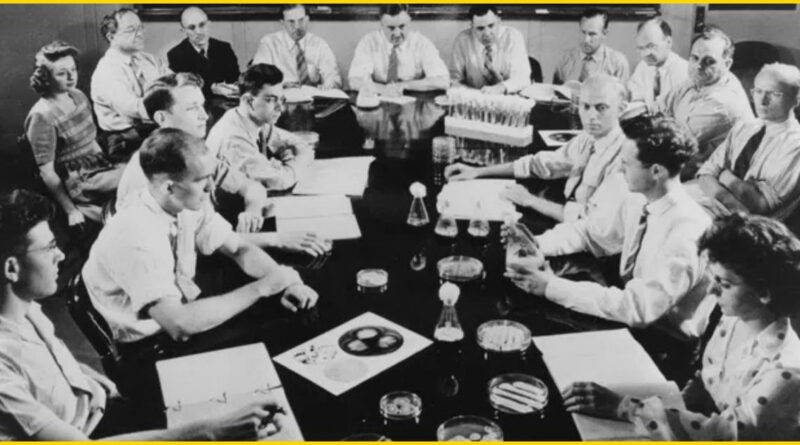
Penicillin, the world’s first antibiotic, was discovered by Scottish bacteriologist Alexander Fleming in 1928. However, this famous statement tells only half the story. While Fleming made the initial, serendipitous observation, it took the systematic work of a team at the University of Oxford—Howard Florey and Ernst Chain—over a decade later to isolate, purify, and prove penicillin’s life-saving potential, turning a laboratory curiosity into a mass-produced drug that revolutionized medicine. This is the story of one of the greatest accidental discoveries in history and the team effort that brought it to the world.
Alexander Fleming: A Dirty Petri Dish and a Miracle Mold
Alexander Fleming was a researcher at St. Mary’s Hospital in London, studying staphylococci bacteria. He was known for his somewhat untidy lab—a trait that would change history.
- The Fateful Summer of 1928: Before leaving for a holiday in August, Fleming stacked some used petri dishes containing staphylococcus cultures in a corner of his lab. Upon his return in September, he noticed something unusual on one dish.
- The Key Observation: A blue-green mold (Penicillium notatum) had contaminated the plate. More importantly, Fleming saw a clear, bacteria-free zone around the mold, indicating the mold was secreting a substance that killed or inhibited the growth of the staphylococci bacteria. He famously remarked, «That’s funny.»
- Initial Research: Fleming grew the mold in a pure culture and found its «mold juice» was effective against many Gram-positive bacteria (like streptococci and pneumococci) but not Gram-negative ones. He named the active substance «penicillin.» He published his findings in the British Journal of Experimental Pathology in 1929.
Why Couldn’t Fleming Create a Drug?
Despite understanding penicillin’s potential, Fleming could not develop it into a practical treatment. He faced insurmountable hurdles:
- Instability: The penicillin produced by his strain of mold was extremely unstable and difficult to isolate in pure form.
- Low Yield: Producing even tiny amounts required growing vast quantities of mold, a slow and inefficient process.
- Lack of Resources & Expertise: Fleming was a bacteriologist, not a chemist or pharmacologist. He lacked the team and funding needed for the complex extraction and purification work. After a few inconclusive experiments, he moved on to other research, though he carefully preserved the mold culture.
Howard Florey and Ernst Chain: Purification and the First Trials
The story of penicillin lay dormant for nearly a decade until it was revived by a concerted scientific effort.
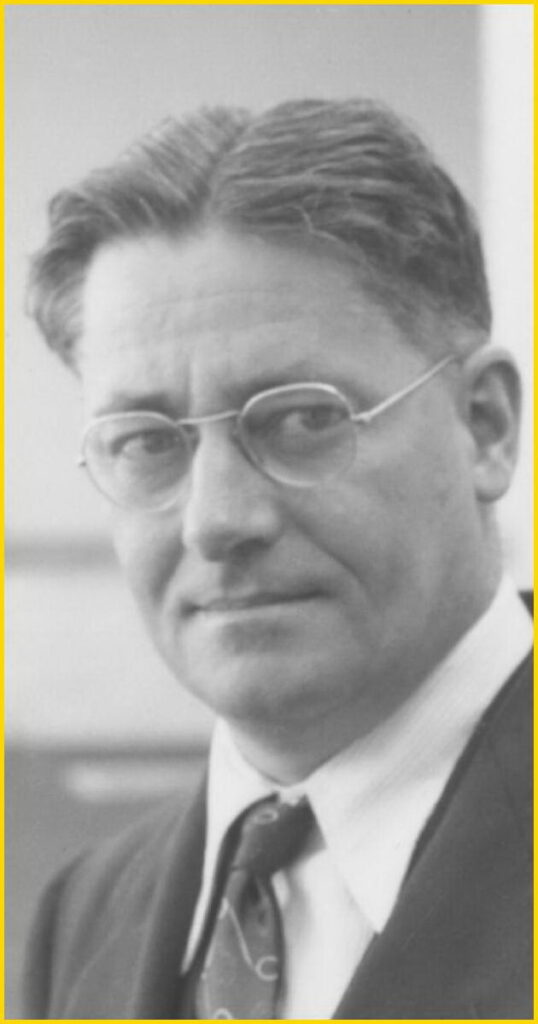
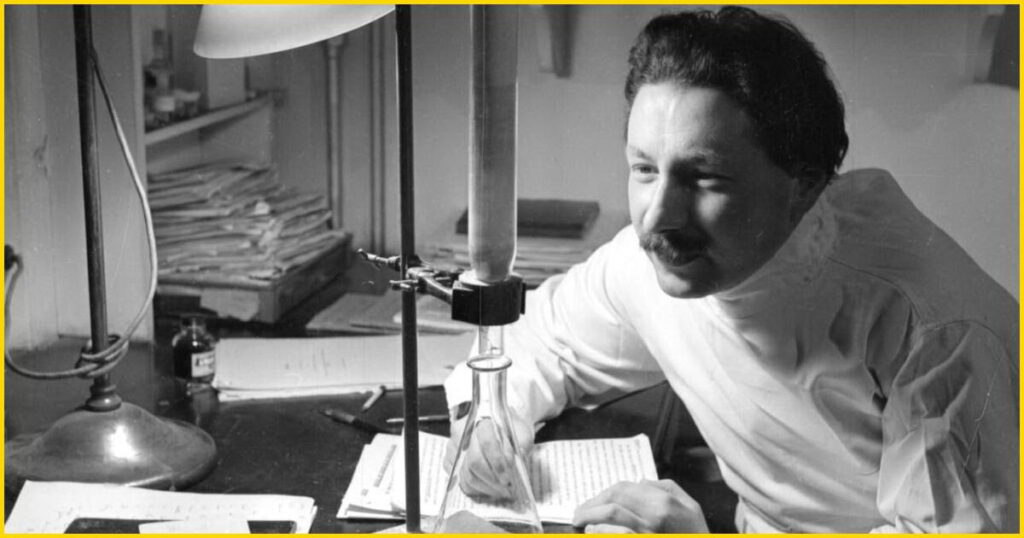
- The Oxford Team: In 1938, Australian pathologist Howard Florey and German Jewish biochemist Ernst Chain at the University of Oxford began a systematic survey of natural antibacterial substances. They stumbled upon Fleming’s 1929 paper and chose penicillin as their most promising lead.
- The Breakthrough: With a talented team (including Norman Heatley, whose ingenious lab equipment was vital), they overcame the technical challenges. Using a freeze-drying technique, they produced a stable, brown penicillin powder. Chain determined its chemical structure.
- The Mouse Experiment (1940): Their defining moment was a controlled experiment on eight mice infected with lethal streptococci. Four mice treated with penicillin survived; the four untreated mice died. The results, published in The Lancet in 1940, were stunning.
- First Human Trial (1941): The first patient was Albert Alexander, a policeman with a severe facial infection that had failed to respond to all other treatments. After being given penicillin, he showed dramatic improvement. However, when the team’s supply ran out, he relapsed and died. This tragic case highlighted both penicillin’s miraculous efficacy and the desperate need for mass production.
Mass Production: A World War II Challenge
With World War II raging, the need for an infection-fighting drug for wounded soldiers was urgent. The Oxford team could not produce enough. Florey and Heatley traveled to the United States in 1941 to enlist help.
The U.S. Mobilization: The U.S. Department of Agriculture’s Northern Regional Research Laboratory in Peoria, Illinois, took up the challenge. Scientists there made two key improvements:
- They used corn steep liquor (a byproduct of corn milling) as a growth medium, dramatically increasing yields.
- They found a more productive mold strain, Penicillium chrysogenum, on a moldy cantaloupe from a Peoria market.
Industrial Scale: American pharmaceutical companies (notably Pfizer) pioneered deep-tank fermentation, moving from growing mold in shallow trays to massive, aerated tanks. By D-Day in 1944, enough penicillin was produced to treat all Allied casualties, saving countless lives.
The 1945 Nobel Prize: Fleming, Florey, Chain
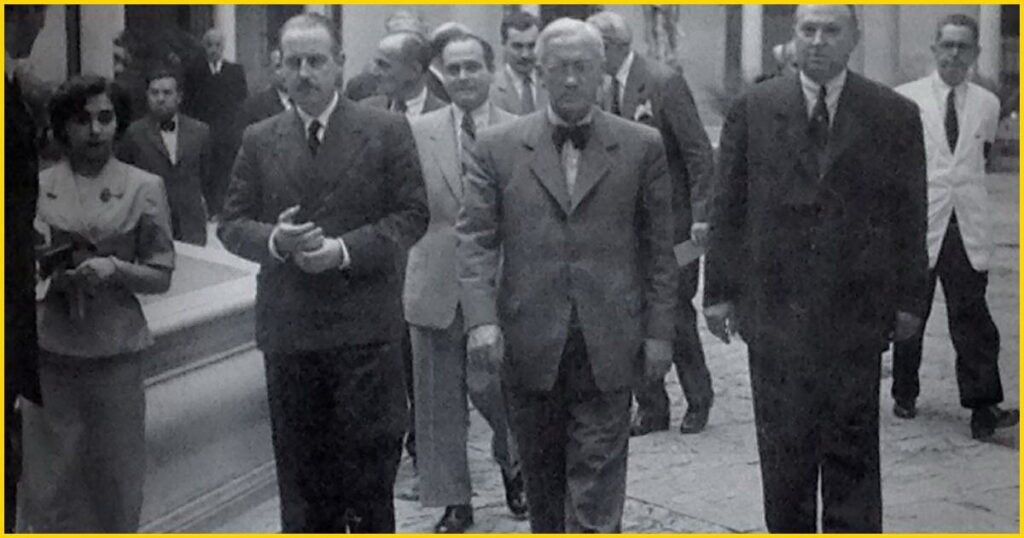
In 1945, the Nobel Prize in Physiology or Medicine was awarded jointly to Alexander Fleming, Howard Florey, and Ernst Chain «for the discovery of penicillin and its curative effect in various infectious diseases.» The award recognized the complementary nature of their contributions: Fleming’s initial discovery and Florey & Chain’s transformative development.
The Impact: A Revolution in Medicine
Penicillin’s impact cannot be overstated:
- End of the Death Sentence: It turned previously fatal infections (pneumonia, sepsis, gangrene, syphilis) into treatable conditions.
- Foundation of Modern Medicine: It enabled complex surgeries, cancer treatments, and organ transplants by controlling post-operative infections.
- The Antibiotic Era: It launched the search for other antibiotics, leading to the development of streptomycin, tetracycline, and many others.
- A Warning: It also introduced the problem of antibiotic resistance, first noted by Fleming himself in his 1945 Nobel lecture.
Frequently Asked Questions (FAQ)
Was penicillin really discovered by accident?
Yes, the initial observation was entirely serendipitous. Fleming did not set out to find an antibiotic. However, his prepared mind—his knowledge of bacteriology and his curiosity—allowed him to recognize the significance of the contaminated plate where others might have simply discarded it.
Why is Alexander Fleming more famous than Florey and Chain?
Fleming’s story is simpler and more dramatic: the lone, somewhat disheveled scientist making a chance discovery. It captured the public imagination. Florey and Chain’s work, though arguably more difficult and crucial, was a complex, team-based engineering and chemical challenge, less easily mythologized.
What was the first person treated with penicillin?
The first recorded human treatment was Constable Albert Alexander in 1941. While his treatment ultimately failed due to a lack of supply, it provided critical proof of concept. The first successful complete cure with purified penicillin was Anne Miller in 1942 in the United States, who was dying from a streptococcal infection after a miscarriage.
Did Fleming receive any financial reward for penicillin?
Fleming, Florey, and Chain deliberately chose not to patent penicillin. They believed a life-saving drug should be freely available to all humanity. None of them became wealthy from their discovery, a fact often cited as a testament to their scientific idealism.
(Conclusion)
The discovery of penicillin is a two-act drama of scientific progress. Alexander Fleming provided the brilliant opening act—an accidental observation that revealed nature’s secret. But without the second act—the relentless, collaborative effort of Howard Florey, Ernst Chain, Norman Heatley, and the army of American scientists and engineers—penicillin would have remained a footnote in a scientific journal. It stands as the ultimate testament to both serendipity and systematic research, a discovery that began with a dirty dish and ended by saving millions of lives, truly launching the modern medical age.