Who Invented the Airplane? The Wright Brothers, Santos-Dumont, or Others?
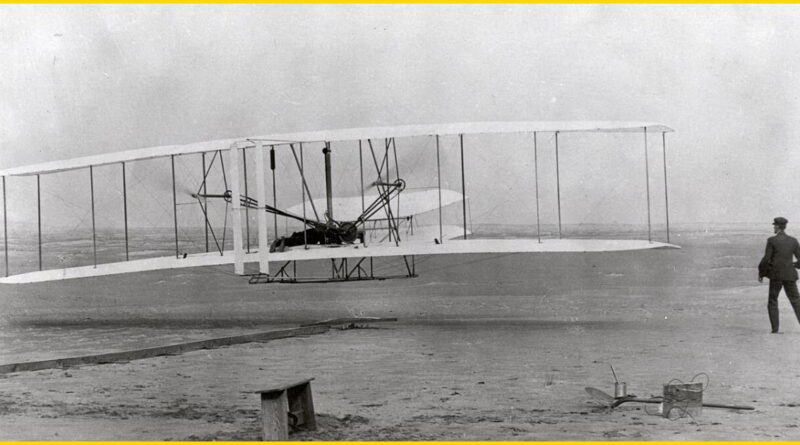
The first controlled, sustained flight of a powered, heavier-than-air aircraft was achieved by the Wright brothers—Orville and Wilbur—at Kitty Hawk, North Carolina, on December 17, 1903. However, the title of «inventor of the airplane» is contested in many parts of the world, most notably in Brazil, where Alberto Santos-Dumont is celebrated as the true pioneer for his public flight in Paris in 1906. This article examines the evidence, the different criteria for «first flight,» and the stories of other key pioneers to answer the complex question of who invented the airplane.
The Wright Brothers: Bicycles, Aerodynamics, and the Flyer I
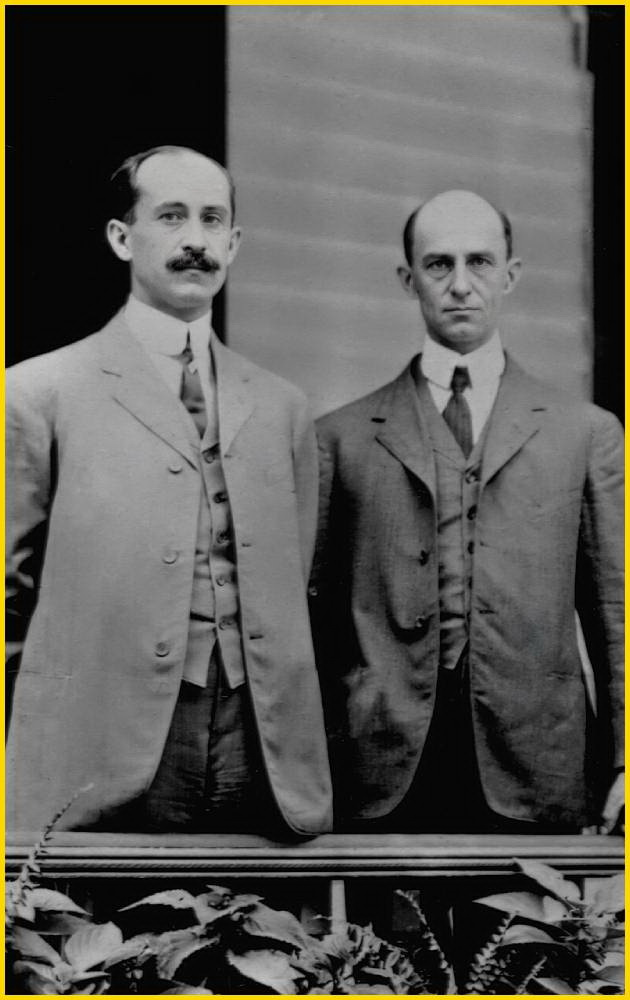
Orville and Wilbur Wright were methodical, self-taught engineers who approached flight as a solvable mechanical problem. Their background in building and repairing bicycles was crucial—it gave them hands-on experience with lightweight structures, balance, and control.
- Wind Tunnel Research: Unlike many contemporaries who focused solely on power, the Wrights identified control as the fundamental unsolved problem. They built a wind tunnel and conducted extensive tests on wing shapes (airfoils), developing more accurate data than anyone before them.
- Three-Axis Control: Their seminal invention was three-axis control using wing warping (later ailerons) for roll, a forward elevator for pitch, and a rear rudder for yaw. This system, which they patented, is the basis for all aircraft control to this day.
- The Flyer I: Their first powered aircraft was a biplane with a 12-horsepower engine they designed and built themselves. It featured a canard elevator at the front and skids for landing.
December 17, 1903: The Historic 12 Seconds
At 10:35 AM, with Orville at the controls, the Wright Flyer I lifted off from a launching rail into a 27 mph wind. The first flight lasted 12 seconds and covered 120 feet. That day, they made four flights, the longest being Wilbur’s: 59 seconds over 852 feet. Five witnesses, including members of a lifesaving station, were present. The Wrights sent a telegram to their father announcing their success.
Crucially, their flights were:
- Powered (by an engine).
- Sustained (remained airborne without losing speed).
- Controlled (the pilot could maneuver the aircraft).
- Heavier-than-air (not a balloon or airship).
Alberto Santos-Dumont: A Flight in Front of the Public (1906)
In Europe, the Wrights’ achievements were met with skepticism, as their early flights were not widely publicized with clear photographs. The figure who captured the European imagination was the flamboyant Brazilian expatriate Alberto Santos-Dumont.
- Background: Already famous for his airship flights around Paris, Santos-Dumont turned to heavier-than-air machines.
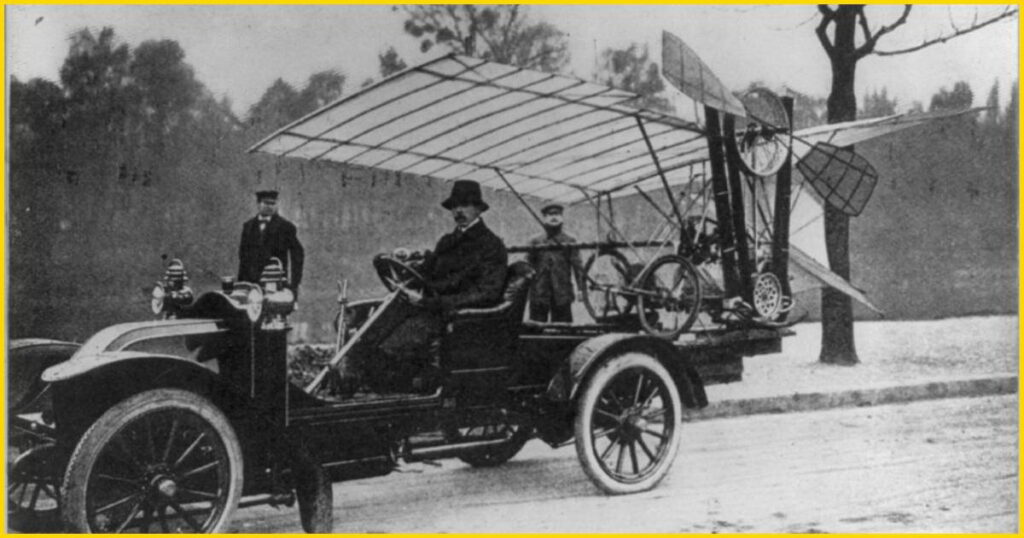
- The 14-bis: His aircraft, nicknamed the «14-bis,» looked ungainly—a box-kite biplane with a front elevator and a Hargrave-style box-cell wing. It was powered by an Antoinette engine.
- The Public Flight: On October 23, 1906, at the Bagatelle Field in Paris, in front of a large crowd and officials from the Aéro-Club de France, Santos-Dumont’s 14-bis flew for approximately 60 meters (197 feet). This was the first public, officially witnessed, and documented flight of a powered aircraft in Europe.
- The Santos-Dumont Claim: His supporters argue that his flight was the first public, verifiable, and «independent» takeoff (without a catapult or strong headwind, unlike the Wrights’ rail launch). In Brazil, he is a national hero and officially recognized as the «Father of Aviation.»
Pioneers Without Whom Flight Wouldn’t Be Possible
The Wrights and Santos-Dumont also built upon decades of work by other brilliant minds.
Otto Lilienthal and His Gliders
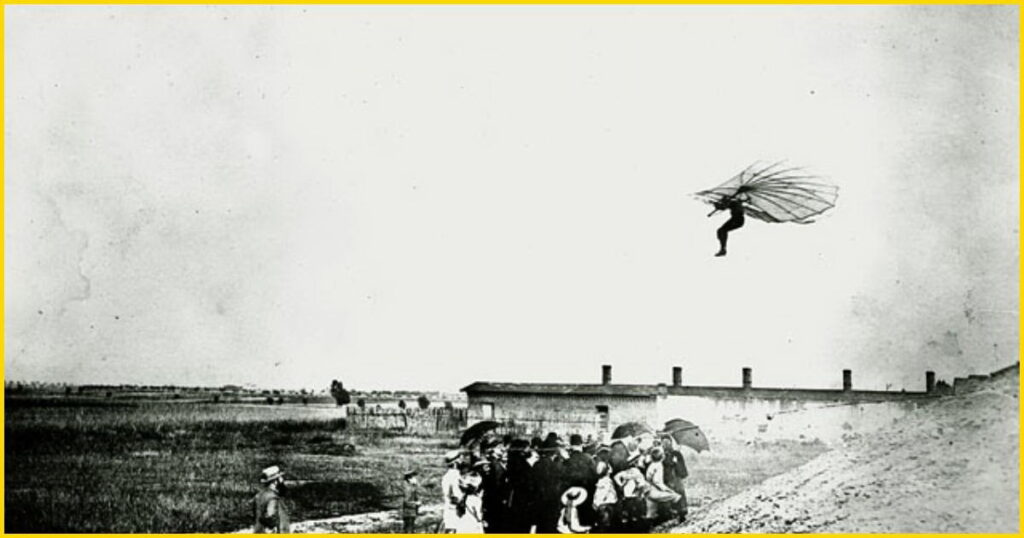
German engineer Otto Lilienthal was the most influential figure for the Wrights. In the 1890s, he made over 2,000 successful flights in his hang gliders, meticulously documenting his work. He proved that curved wings generated more lift than flat ones and that controlled gliding flight was possible. His death in a glider crash in 1896 motivated the Wrights to solve the control problem he had identified.
Nikolai Zhukovsky: The «Father of Russian Aviation»
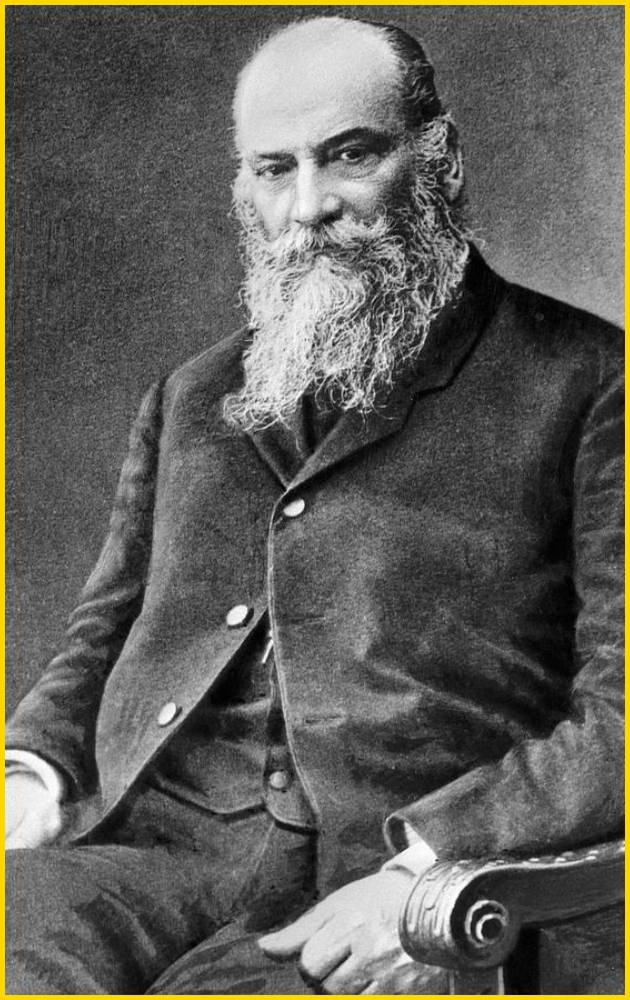
In Russia, Nikolai Zhukovsky is revered for his foundational work in aerodynamics. He established the Central Aerohydrodynamic Institute (TsAGI) and his mathematical theories on lift (the «Zhukovsky theorem») became essential for modern aircraft design. While not a builder of full aircraft, his theoretical work was indispensable.
Other Notable Contenders:
- Clement Ader (France): His steam-powered Éole reportedly made a short, uncontrolled hop of about 50 meters in 1890, but it was not sustained, controlled, or verifiable as true flight.
- Hiram Maxim (USA/UK): Built a massive, steam-powered test rig in the 1890s that generated lift but was restrained to rails; it was an experiment, not a free-flying aircraft.
- Samuel Langley (USA): Funded by the Smithsonian, his full-scale «Aerodrome» failed catastrophically in two public launch attempts from a houseboat on the Potomac River just nine days before the Wrights’ success.
Criteria for Primacy: Control, Power, Witnesses
The debate often hinges on what one considers a «true» first flight:
- The Wright Position: They prioritize the technical achievement—controlled, powered, sustained flight. Their 1903 flights meet all modern definitions. Their subsequent development (1904-1905 Flyer II and III) led to the world’s first practical airplane capable of turning, circling, and staying aloft for over 30 minutes.
- The Santos-Dumont Position: He prioritizes public demonstration and verification. His flight was an open, official event that met pre-defined European criteria (takeoff on its own wheels, level flight, public witnesses). The Wrights’ secretive work and use of a launching rail are seen by some as disqualifying technicalities.
Why Different Countries Have Different Heroes
Aviation history is often written through a national lens:
- United States: Celebrates the Wright brothers as iconic, self-made American inventors.
- Brazil: Celebrates Santos-Dumont as a national hero who achieved flight without the secrecy of the Wrights and who later advocated for aviation as a tool for peace.
- France/Germany/Russia: While acknowledging the Wrights’ technical priority, they give greater emphasis to their own pioneers—Ader, Lilienthal, and Zhukovsky—for their foundational contributions to the science and dream of flight.
Frequently Asked Questions (FAQ)
Why were the Wright brothers so secretive?
They were fiercely protective of their intellectual property, especially their three-axis control system, which they had patented. They feared others would copy their ideas without compensation. This secrecy fueled European skepticism until they began public demonstrations in 1908, astounding audiences in France and the U.S.
Did the Wright brothers use a catapult?
Not in 1903. They used a 60-foot wooden launching rail and a falling-weight derrick to help the underpowered aircraft gain enough speed for takeoff in the soft sand. They later developed a catapult system for their 1904-1905 flights from a flat field in Ohio, where there was no consistent headwind.
Who is recognized by the Fédération Aéronautique Internationale (FAI)?
The FAI, the world governing body for air sports, recognizes the Wright brothers’ 1903 flights as the «first sustained and controlled heavier-than-air powered flight.» However, it also maintains records for different categories. Santos-Dumont holds the record for the first public flight in Europe as ratified by the Aéro-Club de France, an FAI member.
What happened to the 1903 Wright Flyer I?
After the fourth flight on December 17, a gust of wind flipped and badly damaged the aircraft. It was never flown again. The Wrights shipped the wreckage back to Dayton. It was restored and is now on permanent display at the National Air and Space Museum in Washington, D.C.
(Conclusion)
The invention of the airplane was the climax of a global race. Orville and Wilbur Wright indisputably achieved the first controlled, powered, sustained flight in 1903 through superior research, engineering, and understanding of control. Alberto Santos-Dumont performed the first publicly celebrated and officially recognized flight in Europe in 1906, capturing the popular imagination and meeting different criteria. To declare a single «inventor» is to oversimplify history. The airplane was born from the collective dreams and labor of many, with the Wright brothers providing the final, decisive proof of concept that launched humanity into the aerial age.