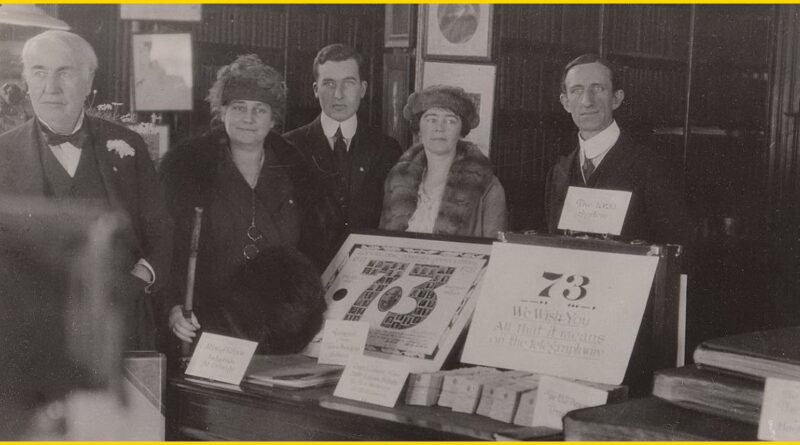
Who Invented the Light Bulb? It Wasn’t Just Thomas Edison
The practical incandescent light bulb was the result of work by many inventors throughout the 19th century, with Thomas Alva Edison being the most successful in commercializing it. While Edison is famously credited with inventing the light bulb in 1879, his achievement was the culmination of decades of experimentation by others like Joseph Swan, Alexander Lodygin, and Heinrich Göbel. Edison’s genius lay not in being the first, but in creating a long-lasting, commercially viable system of lighting, including the bulb, the socket, the generator, and the electrical grid.
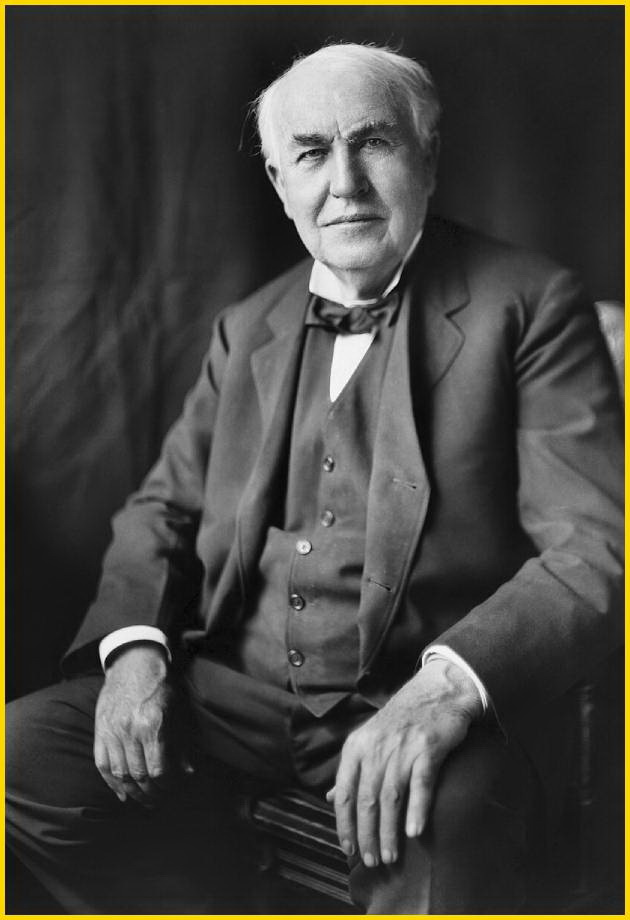
Thomas Edison: The «Menlo Park Lab» and 1,000 Attempts
Thomas Edison’s approach to the light bulb was industrial and systematic. At his famous Menlo Park research laboratory in New Jersey, he turned invention into a process.
The Key Improvement: Vacuum and Carbon Filament
Earlier bulbs failed quickly because their filaments burned out in the presence of oxygen. Edison’s team focused on two critical improvements:
- A High-Vacuum Pump: They used a superior Sprengel pump to remove almost all air from the glass bulb, drastically slowing down the oxidation of the filament.
- The Right Filament Material: After testing thousands of materials (including platinum and bamboo), Edison’s team found that a carbonized bamboo filament could last for over 1,200 hours. This was the breakthrough that made the bulb practical for everyday use.
The Date: Edison’s first successful test with the carbon filament bulb was on October 21-22, 1879, when it glowed for about 13.5 hours. He continued to improve it, soon achieving lifetimes of 1,200 hours and more.
Edison’s Predecessors: The Men Who Lit the Way
Edison stood on the shoulders of giants. Here are the key figures who contributed essential pieces to the puzzle.
Joseph Swan and His Work in England
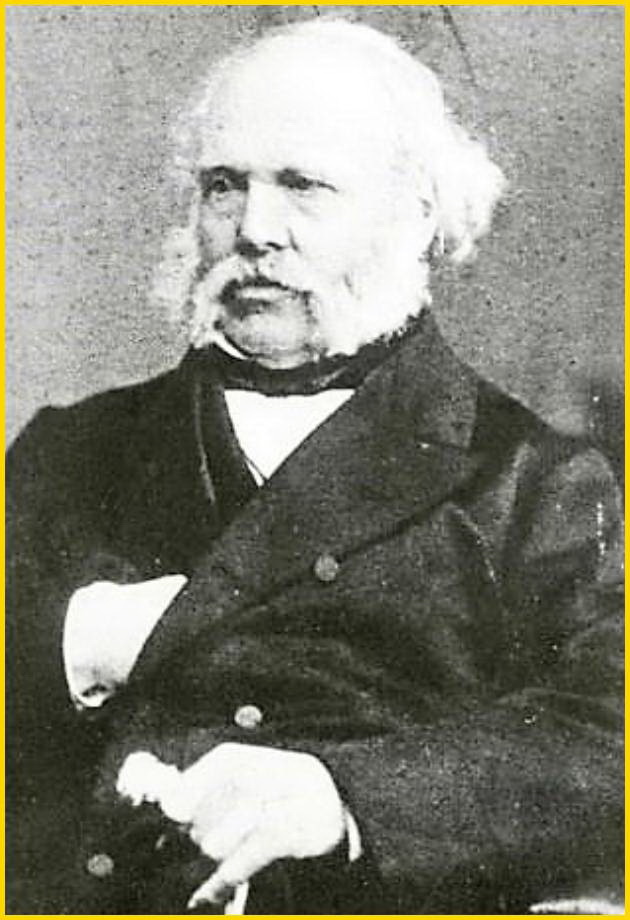
English physicist Sir Joseph Wilson Swan was working on an incandescent bulb independently and concurrently with Edison.
- Early Demonstrations: Swan demonstrated a working bulb with a carbonized paper filament in a partial vacuum as early as 1878, a year before Edison’s famous breakthrough.
- The Problem: Swan’s early bulbs lacked a good vacuum and a durable filament, so they had a very short life.
- Home Lighting: In 1880, after Edison’s success but using his own designs, Swan began installing light bulbs in homes and landmarks in England. This led to a direct conflict with Edison.
Alexander Lodygin: The Tungsten Filament from Russia
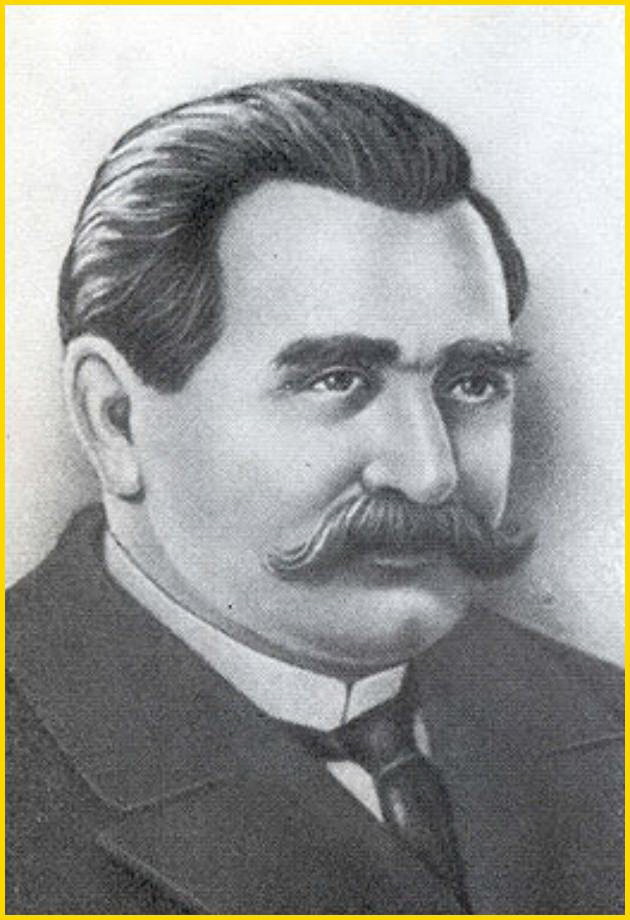
Russian inventor Alexander Nikolayevich Lodygin made several critical advances.
- First Patent: In 1874, Lodygin received a Russian patent for an incandescent lamp using a carbon rod in a nitrogen-filled glass bulb.
- Key Innovation: Most importantly, Lodygin is credited with being the first to propose using tungsten filaments (in 1890), which would become the standard for the entire 20th century due to tungsten’s high melting point and efficiency. He also experimented with filling bulbs with inert gases.
Heinrich Göbel: The Early Experiments
In the 1850s, German watchmaker Heinrich Göbel developed incandescent lamps using carbonized bamboo filaments in evacuated glass bottles, years before anyone else. He used them to light his shop window. However, he did not patent the idea, and his claims of priority (made later during Edison’s patent lawsuits) are difficult to verify conclusively, though many historians give them credence.
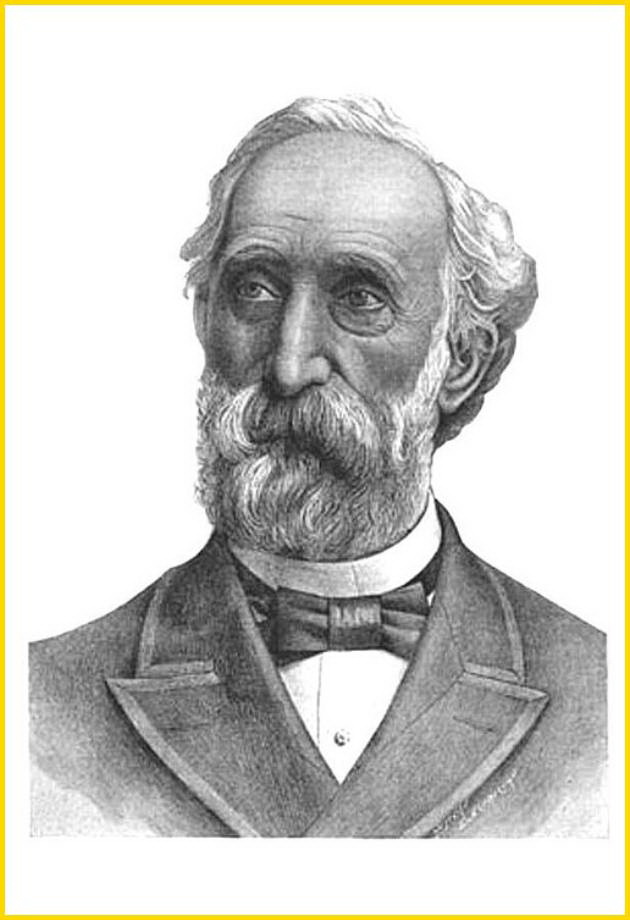
The Merger: The Edison & Swan United Electric Light Company
The simultaneous work of Edison and Swan inevitably led to a patent war. Instead of fighting to a costly conclusion, the two men made a pragmatic business decision. In 1883, they merged their interests in Britain to form the Edison & Swan United Electric Light Company (often called «Ediswan»). This partnership effectively ended their legal battles and combined their technological expertise.
The Evolution of the Light Bulb After Edison
Edison’s bulb was just the beginning. Key subsequent improvements include:
- Tungsten Filaments (1900s): Replacing carbon with drawn tungsten wire (invented by William Coolidge) made bulbs brighter, more efficient, and longer-lasting.
- Inert Gas Fillings: Irving Langmuir’s idea of filling bulbs with argon or nitrogen (1913) further reduced filament evaporation and increased efficiency.
- The Coiled Coil (1930s): Coiling the tungsten filament into a tight spiral allowed it to operate at higher temperatures and efficiencies.
Frequently Asked Questions (FAQ)
How many times did Edison fail before inventing the light bulb?
The famous story of «1,000 failed attempts» is an oversimplification. Edison and his team systematically tested over 6,000 different filament materials from around the world before settling on carbonized bamboo. He viewed each unsuccessful test not as a failure, but as learning what didn’t work.
Who has the legitimate claim to inventing the light bulb?
It depends on the criteria. Joseph Swan built a working bulb first. Alexander Lodygin patented a bulb earlier and pioneered the tungsten filament. Thomas Edison created the first commercially practical, long-lasting bulb and, crucially, the entire electrical system to support it. History has awarded the primary credit to Edison for this systemic achievement.
What was Edison’s first successful light bulb made of?
Edison’s first commercially viable bulb used a filament made from carbonized sewing thread. Later, he switched to more durable carbonized bamboo from Japan.
Did Nikola Tesla work on light bulbs?
Yes, though not on the incandescent bulb in direct competition with Edison. Tesla developed and patented fluorescent lighting and neon lights in the 1890s, and also worked on wireless lighting using high-frequency currents.
(Conclusion)
The invention of the light bulb is a classic tale of simultaneous invention and incremental improvement. While Thomas Edison’s name is synonymous with the light bulb for his unparalleled commercial and systemic triumph, he was the final and most successful link in a long chain of innovators. The work of Joseph Swan, Alexander Lodygin, and others provided the essential knowledge that made Edison’s «genius» possible. The modern light bulb is a monument not to a single man, but to the relentless, collaborative spirit of the Industrial Age.