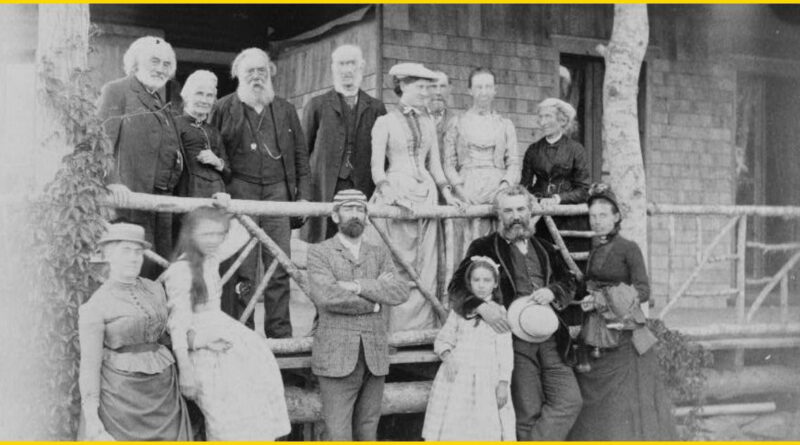
Who Invented the Telephone? The Story of Alexander Graham Bell and the Patent War
The telephone was patented by Scottish-born American inventor Alexander Graham Bell on March 7, 1876 (U.S. Patent No. 174,465). However, to call him the sole inventor of the telephone would be a historical injustice. The story of this device, which forever changed human communication, is a tale of a race between brilliant minds, legal battles, and controversies that persist to this day. In this article, we will explore how Alexander Bell outpaced his competitors and introduce the other talented inventors who came so close to fame.
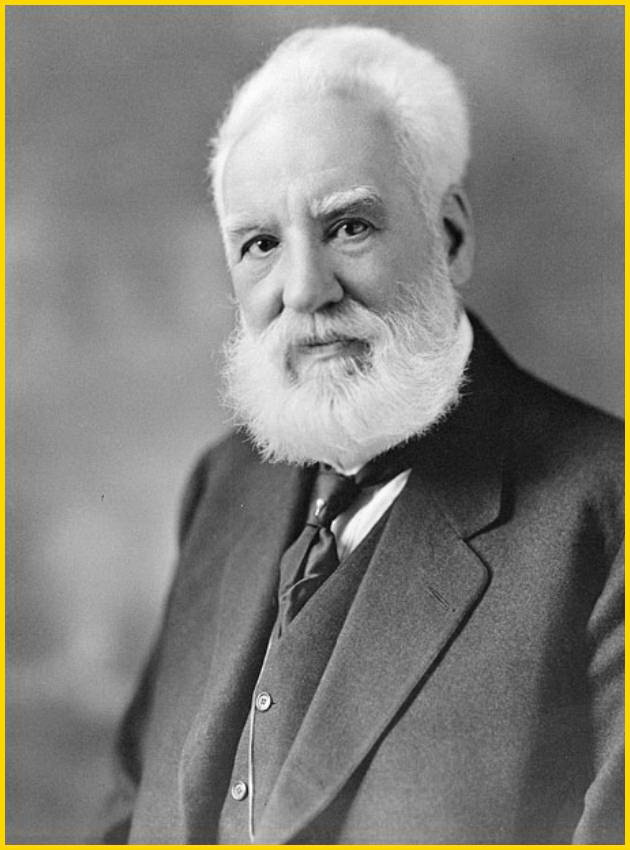
Alexander Graham Bell: The Path to Invention
Early Life and Work with the Deaf
The son of an Edinburgh teacher of elocution, Bell was fascinated from a young age by the mechanics of speech and sound. After moving to Boston, USA, he taught at a school for the deaf and developed methods for visualizing sound. His «harmonic telegraph» (a multiplex telegraph) was an attempt to send multiple telegraph messages simultaneously over a single wire. It was during these experiments that the idea of transmitting sound itself was born.
Experiments and U.S. Patent No. 174,465
In 1875, Bell and his assistant Thomas Watson created the first prototype—a device where a diaphragm, vibrating from sound, altered a magnetic field and induced a weak electric current in a wire. On March 7, 1876, Bell received the famous patent titled «Improvements in Telegraphy.» Interestingly, the word «telephone» was only mentioned in passing in the patent, and a fully functional device was assembled just three days after the patent was granted.
«Mr. Watson, come here…» – The World’s First Phone Call
On March 10, 1876, while working in his laboratory, Bell accidentally spilled acid from a galvanic cell onto his trousers. In distress, he exclaimed into his device: «Mr. Watson, come here, I want to see you!». Thomas Watson, in the adjacent room, heard this sentence clearly through the receiver. This was the first intelligible telephone conversation in history, proving the practical viability of the idea.
Who Was First? The Other Claimants to the Telephone’s Invention
While Bell was working on his apparatus, dozens of inventors worldwide were tackling the same problem. Two of them posed the most serious threat to Bell’s claim.
Antonio Meucci and His «Teletrofono»
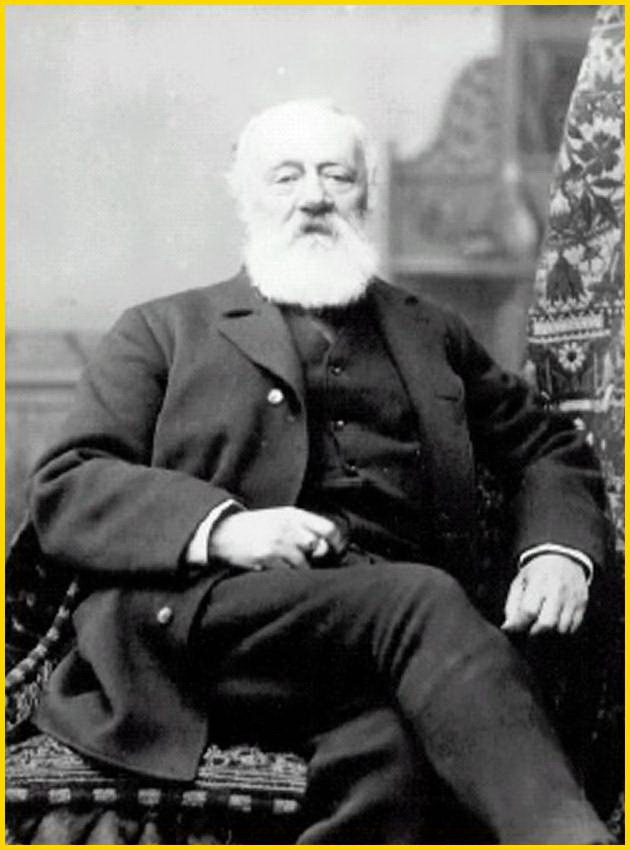
As early as 1860, Italian immigrant Antonio Meucci demonstrated a device called the «teletrofono» for voice transmission in New York. He filed a preliminary patent caveat in 1871 but, due to poverty, could not afford the full $10 patent fee. When he tried to contest Bell’s patent in 1876, the U.S. Supreme Court acknowledged Meucci’s prior work, but by then his caveat had expired, and Meucci himself died in poverty. In 2002, the U.S. House of Representatives officially recognized his contribution to the invention of the telephone.
Elisha Gray: The Fateful Delay of a Few Hours
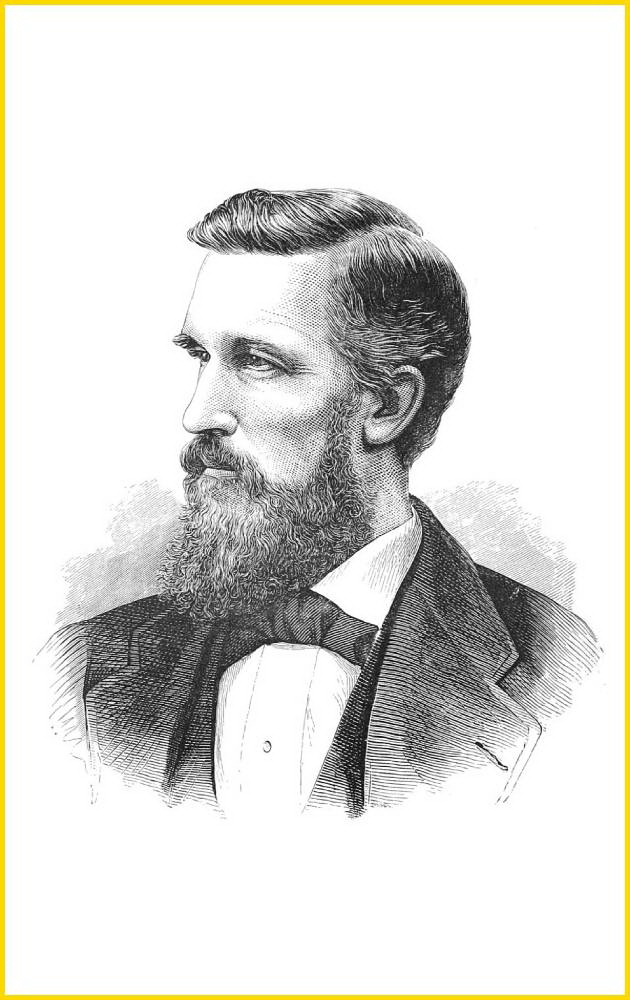
American engineer Elisha Gray invented a device for transmitting speech almost simultaneously with Bell. On February 14, 1876, the same day Bell filed his patent application, Gray submitted a caveat (a notice of intent) to the Patent Office for a similar invention. A caveat granted a one-year window to file a full application. However, Bell filed a full application, and his paperwork was processed first. The difference was a matter of mere hours, which decided the race’s outcome.
The Core of the Patent Dispute: Bell vs. Gray vs. Meucci
The patent battle between Bell and the Western Union Company (which had bought Gray’s rights) became one of the most famous in history. The Bell Company won over 600 lawsuits defending its patent. The key argument was that Bell proposed a method of converting sound vibrations into a variable electric current using induction, while Gray’s device relied on a variable resistor (a liquid transmitter). The court deemed Bell’s method more fundamental and original, even though commercial telephones later used an improved version of Gray’s liquid transmitter.
How Did Bell’s First Telephone Work? (The Principle)
Bell’s device was remarkably simple:
- Transmitter (Microphone): A magnet was attached to a diaphragm, placed within a coil of wire. The sound of a voice made the diaphragm and magnet vibrate.
- Induction: The movement of the magnet inside the coil generated a weak alternating electric current that precisely mimicked the sound vibrations.
- The Wire: This current was transmitted along a wire.
- Receiver (Speaker): At the other end of the wire was an identical device. The incoming alternating current caused the magnet to vibrate, which moved the diaphragm and reproduced the original sound.
It was the same apparatus that could function as both a transmitter and a receiver.
Frequently Asked Questions (FAQ)
What did Bell say in the first telephone call?
The famous first phrase was: «Mr. Watson, come here, I want to see you.» It was prompted by an unforeseen circumstance—Bell had spilled acid on himself.
Who is considered the inventor of the telephone in Italy?
In Italy and among many historians, the inventor of the telephone is Antonio Meucci. The Italian Parliament and the U.S. Congress have officially recognized his priority in creating the first working device for voice transmission.
Why was Bell’s patent challenged and by whom?
Bell’s patent was challenged by companies that had bought the rights from Elisha Gray and Antonio Meucci, as well as by other inventors like Amos Dolbear and Thomas Edison. The main claim was that Bell used improvements invented by others in his commercial devices (specifically, Edison’s carbon microphone and Gray’s liquid transmitter).
(Conclusion)
The invention of the telephone is a classic example of how technology is born from the pains of competition and dispute. Alexander Graham Bell entered history as the man who secured the key patent, possessed entrepreneurial acumen, and managed to bring the idea to commercial success. However, without the foundational work of Antonio Meucci and the fierce competition from Elisha Gray, the history of communication might have taken a different path. The telephone was the fruit of the collective efforts of an era eager to overcome distance.